Introduction: why this topic matters now
Road infrastructure teams are dealing with higher traffic loads, stricter performance requirements, and tighter budget control. On heavy-duty sections with frequent temperature swings and moisture exposure, conventional binders often reach their limits early.
Polymer-modified bitumen addresses this gap. The modified structure improves binder mechanics, allowing the pavement to better resist rutting, fatigue cracking, and progressive loss of surface quality.
For practitioners, the binder is a strategic material: once it fails under load, temperature, or water, the whole pavement system degrades faster. Stronger binder performance means better safety, lower intervention frequency, and more predictable operation planning.
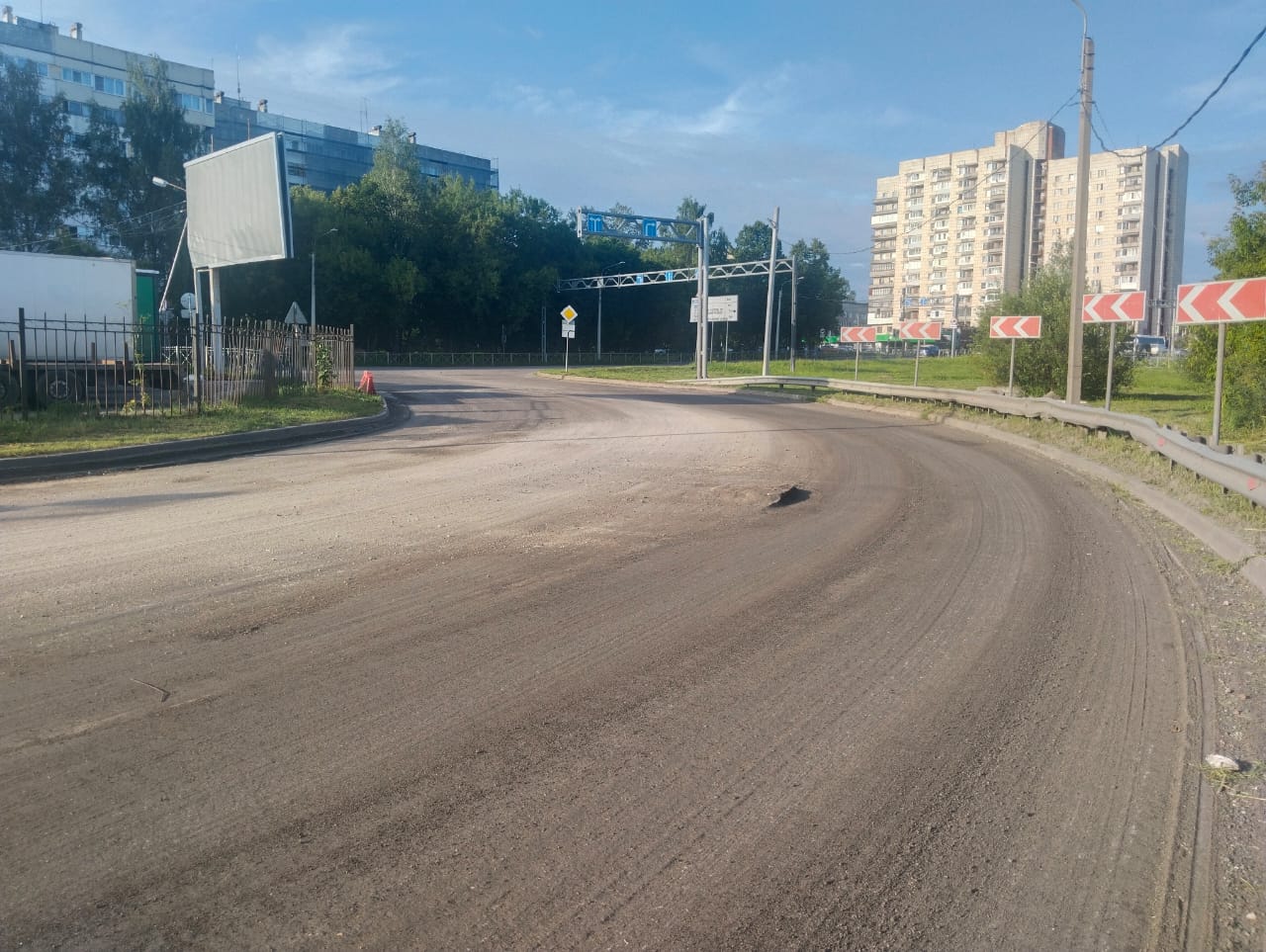
What is polymer bitumen
Polymer bitumen, also known as polymer-modified binder, is petroleum bitumen enhanced with polymer additives. The additive changes internal structure and improves elasticity, resilience, adhesion, and deformation resistance.
Conventional bitumen softens in heat and can rut, while in cold conditions it becomes more brittle and crack-prone. Polymer modification balances these weak points and extends the effective temperature window.
Core components and material structure
The base is petroleum bitumen, combined with a polymer modifier selected for climate, road class, and design traffic. The resulting spatial network stabilizes behavior under shear, tension, and repeated loading cycles.
How polymer bitumen differs from conventional binder
- higher rutting resistance;
- better crack resistance;
- stronger adhesion to mineral aggregates;
- higher elasticity;
- improved aging resistance;
- more stable behavior under temperature fluctuations.
Polymer bitumen production technology
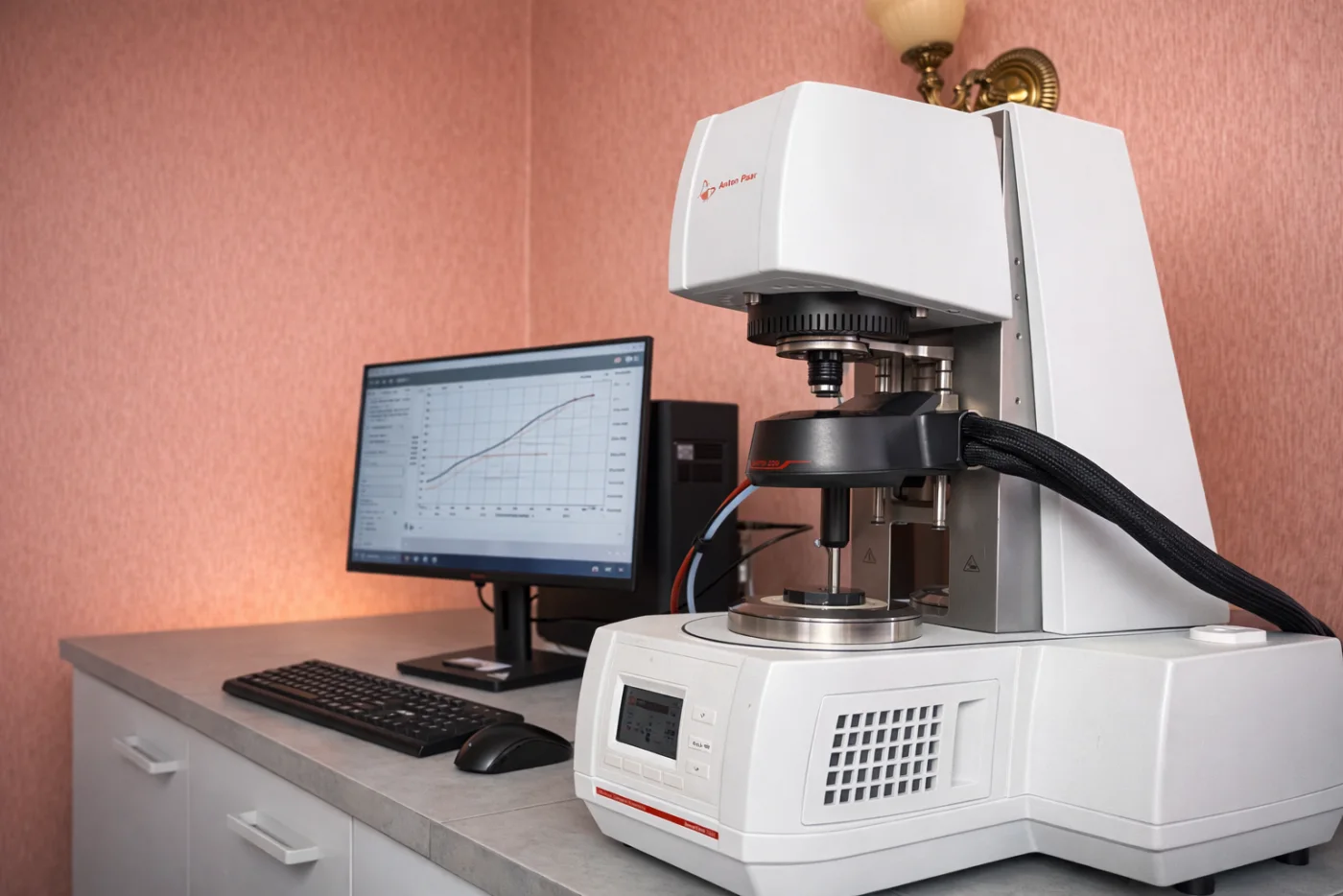
PMB production requires strict temperature control, accurate modifier dosage, and controlled mixing time. The target is a uniform modifier distribution and stable physical-mechanical properties.
Most common modifier types
- SBS (styrene-butadiene-styrene): improves elasticity and recovery;
- EVA (ethylene-vinyl acetate): improves heat resistance and stiffness;
- crumb rubber and elastomer systems: add extra elastic response;
- combined modification systems: tailored for specific operating conditions.
Typical modification process
- Heat base bitumen to operating range.
- Add polymer modifier at designed proportion.
- Intensive mixing to full homogeneity.
- Laboratory verification of key properties.
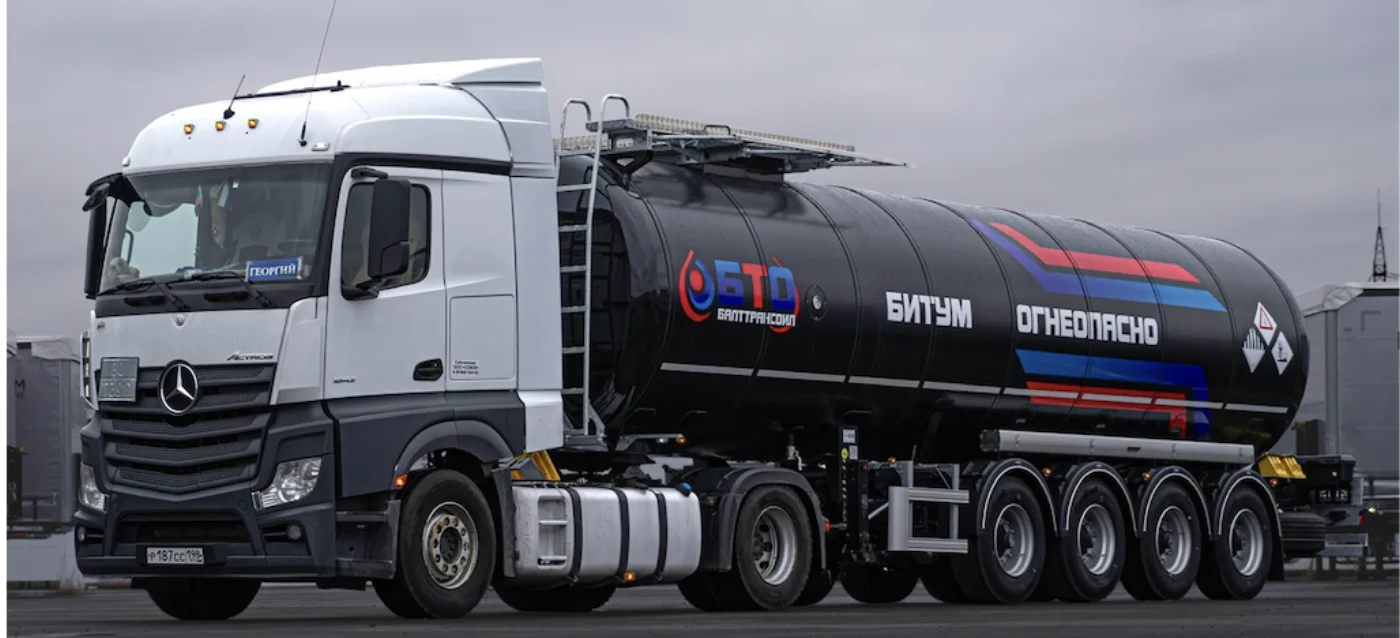
- Temperature stability control during storage and transport.
7 key benefits for road projects
Benefit #1: higher pavement strength
Modified binder increases resistance to axle-induced and shear-related stresses, particularly on heavily trafficked corridors.
Benefit #2: longer pavement service life
PMB slows defect evolution including rutting, crack networks, raveling, and top-layer degradation, extending maintenance intervals.
Benefit #3: stronger high- and low-temperature performance
The material keeps shape better in heat and remains less brittle in cold weather, including repeated freeze-thaw transitions.
Benefit #4: improved resistance to moisture and aging
Polymer modification improves moisture stability and helps reduce the rate of oxidative hardening over time.
Benefit #5: better adhesion with mineral aggregates
Stronger binder-aggregate bonding supports mixture integrity and lowers the risk of early structural disintegration.
Benefit #6: better life-cycle economics
Although upfront cost is higher, total cost of ownership is often lower due to fewer repairs, lower traffic disruption, and better planning stability.
Benefit #7: improved traffic safety
Lower rutting and cracking help preserve surface evenness and friction, reducing safety risks in wet and high-speed conditions.
Where polymer bitumen is most justified
Performance gains are most visible where pavement operates close to structural limits.
- motorways and federal highways;
- corridors with heavy freight traffic;
- high-load urban arterials;
- intersections, roundabouts, and bus stop zones;
- bridges, overpasses, and airport pavements;
- regions with severe climate profiles.
Polymer bitumen vs conventional bitumen
| Parameter | Conventional bitumen | Polymer bitumen |
|---|---|---|
| Rutting resistance | Medium | High |
| Crack resistance | Limited | Enhanced |
| Performance in heat | Lower | Higher |
| Performance in cold | Lower | Higher |
| Adhesion to mineral aggregates | Baseline | Improved |
| Aging resistance | Medium | Enhanced |
| Pavement service life | Lower | Higher |
| Initial cost | Lower | Higher |
| Life-cycle economics | Often less favorable | Often more favorable |
Practical conclusions for road teams
The key question for operators and contractors is whether polymer binders should be adopted more systematically. In high-load scenarios, the practical answer is typically yes.
What implementation delivers in practice
- higher structural reliability of pavement layers;
- lower probability of early defects;
- longer intervals between major interventions;
- better resilience in difficult climate conditions;
- more efficient long-horizon budget utilization.
What must be controlled during implementation
- correct binder grade and formula selection;
- quality production with process discipline;
- temperature compliance in storage and logistics;
- proper asphalt mix design;
- accurate paving and compaction technology;
- laboratory and production control at each stage.
FAQ: frequently asked questions
Conclusion
Polymer bitumen in road construction is not a trend element but a technically grounded tool to increase reliability, durability, and safety.
When production and paving technology are controlled correctly, the industry gains both stronger pavement performance and healthier life-cycle economics.
For heavily loaded corridors, systematic use of modified binder should be treated as a professional standard rather than a special exception.
Need to select polymer-modified binder for your project?
BaltTransOil experts can help define a solution based on climate, traffic class, pavement structure, and specification targets.
Contact an expert